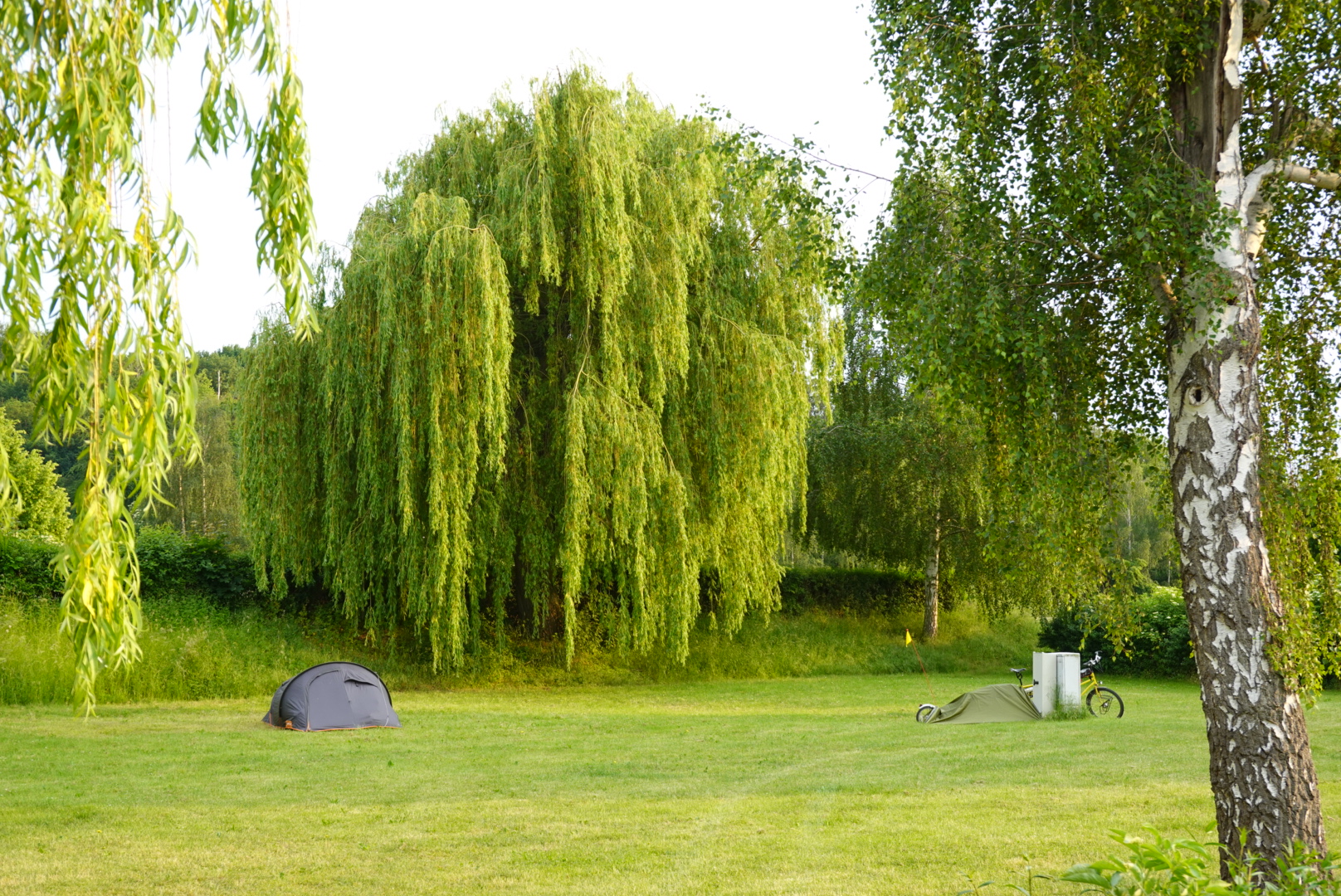
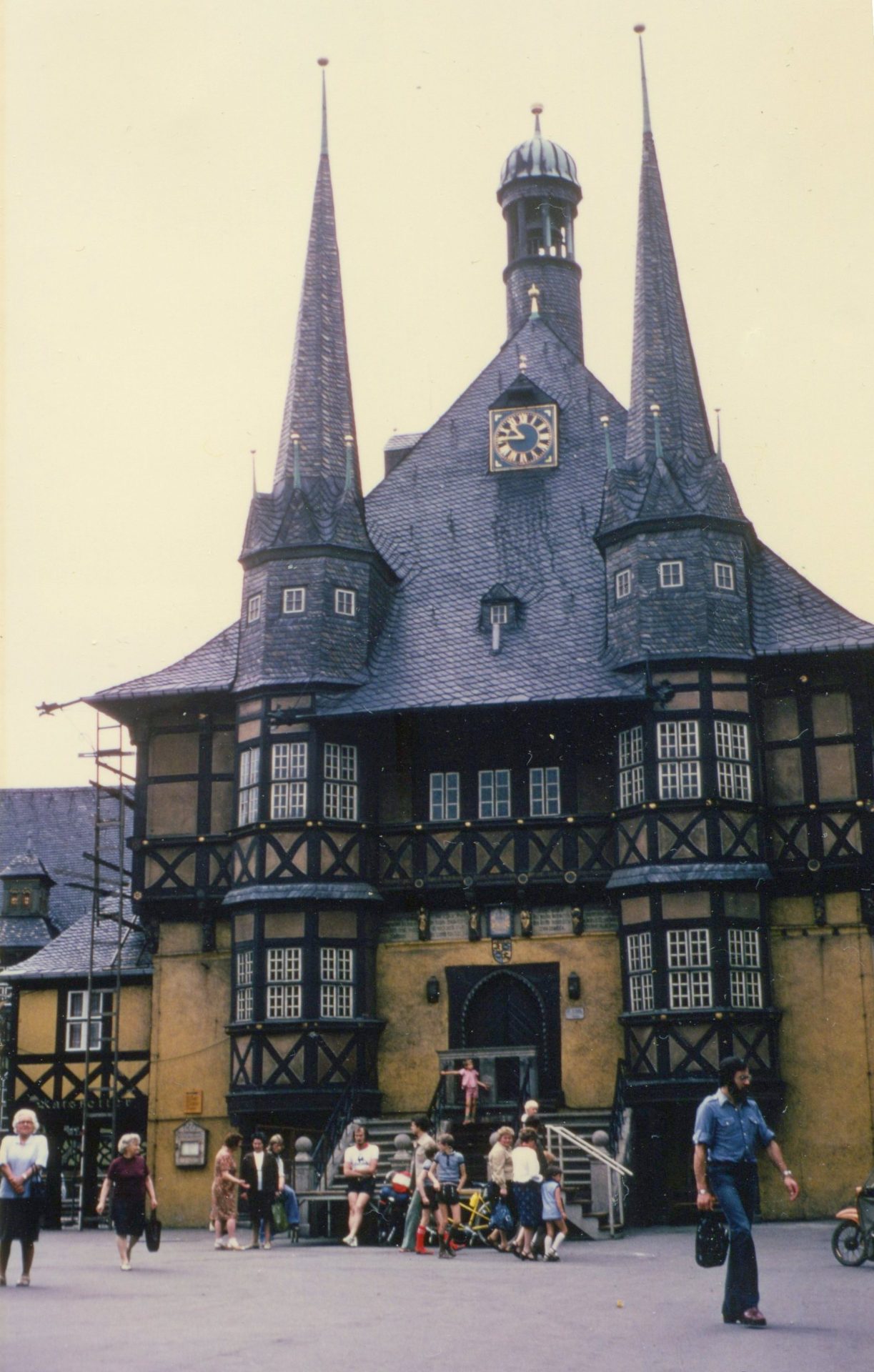
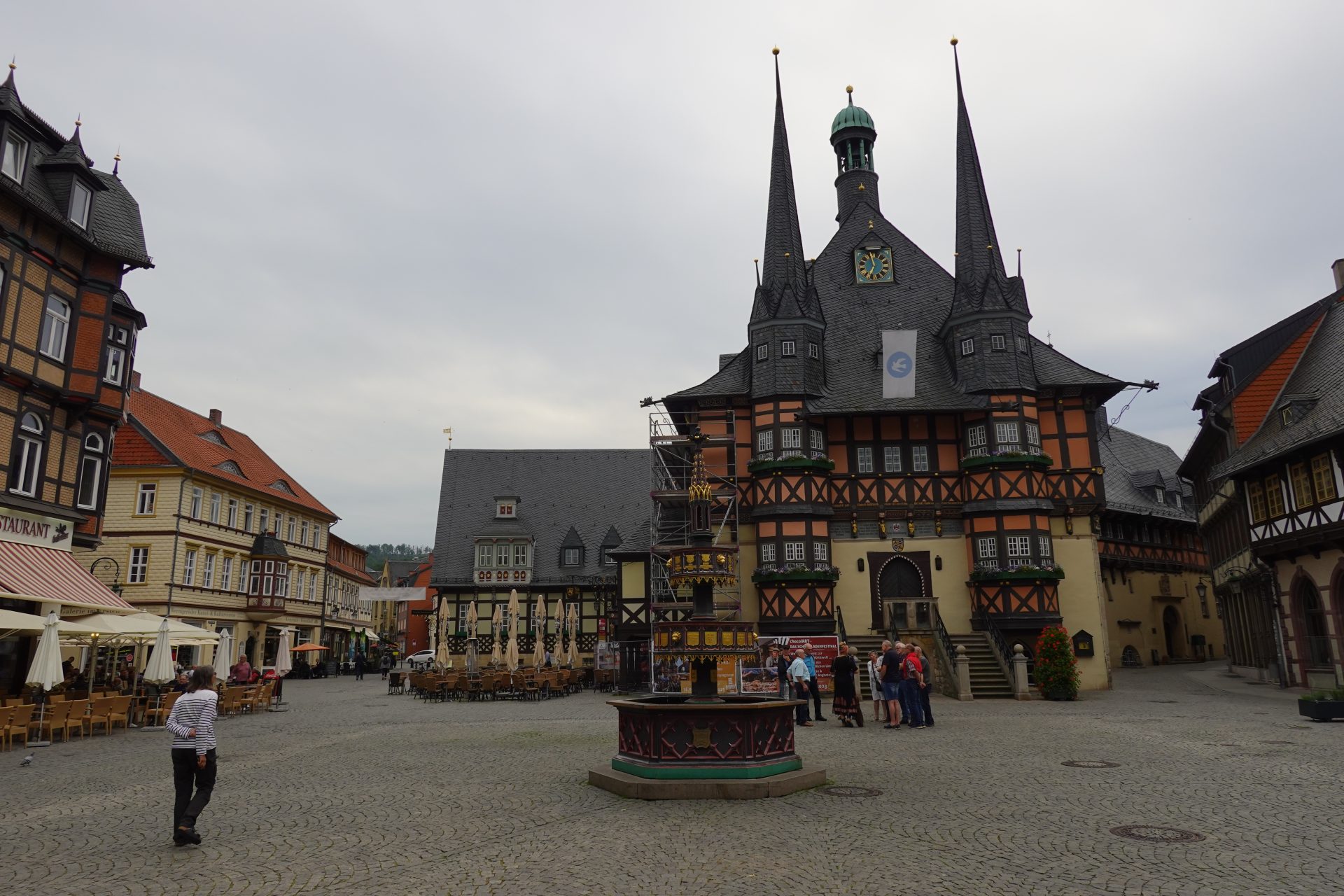
Where to start and what to include is always the question with these travel blogs as we find ourselves on Wednesday evening sitting in our tent with the rain pouring down (we would have Booking.Com-ed if we’d checked the forecast…) catching up on our tandem journey the past three days from Quedlinburg to Wernigerode, and over the Harz Mountains now to a lakeside campsite in Kelbra.
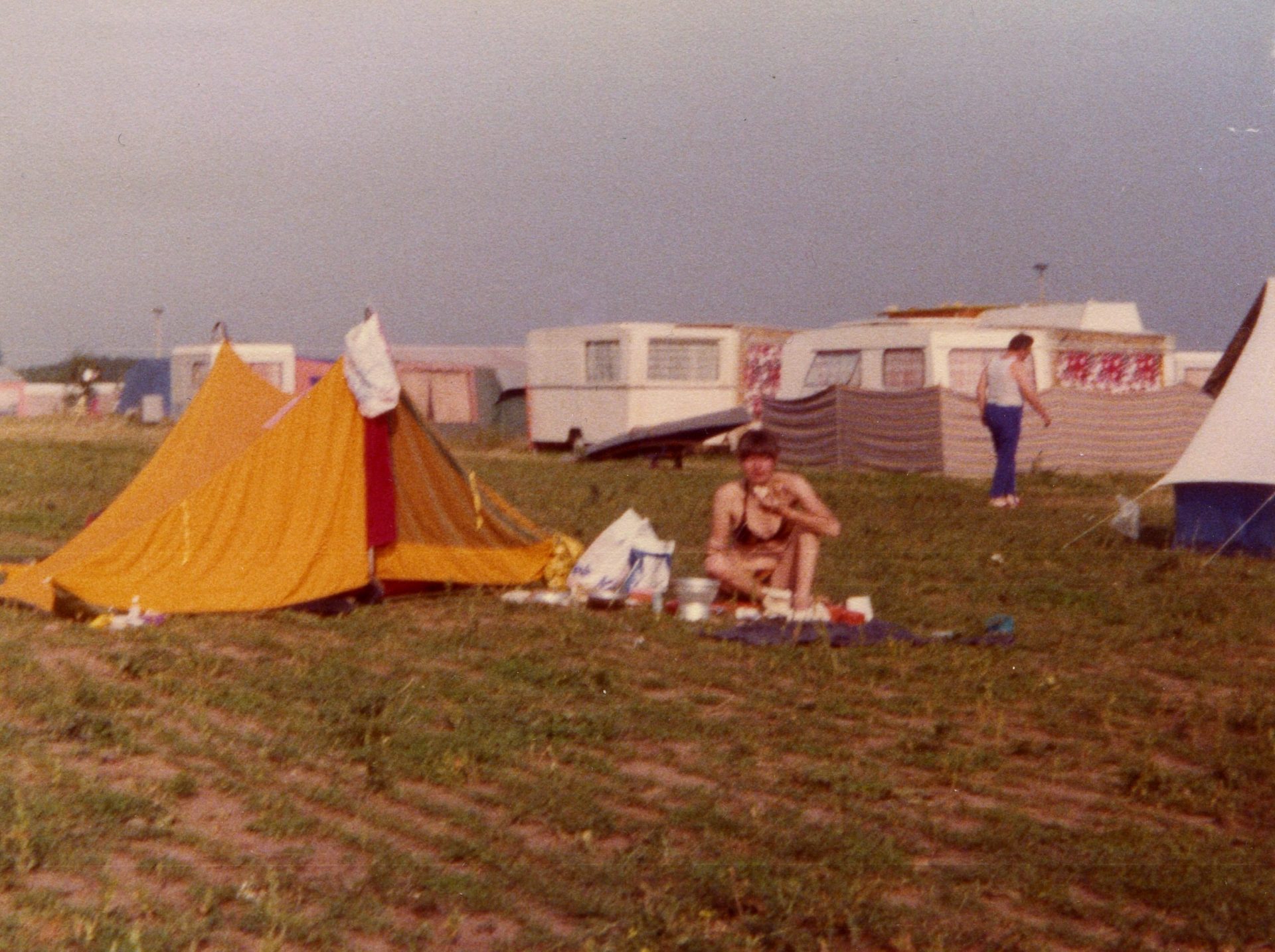
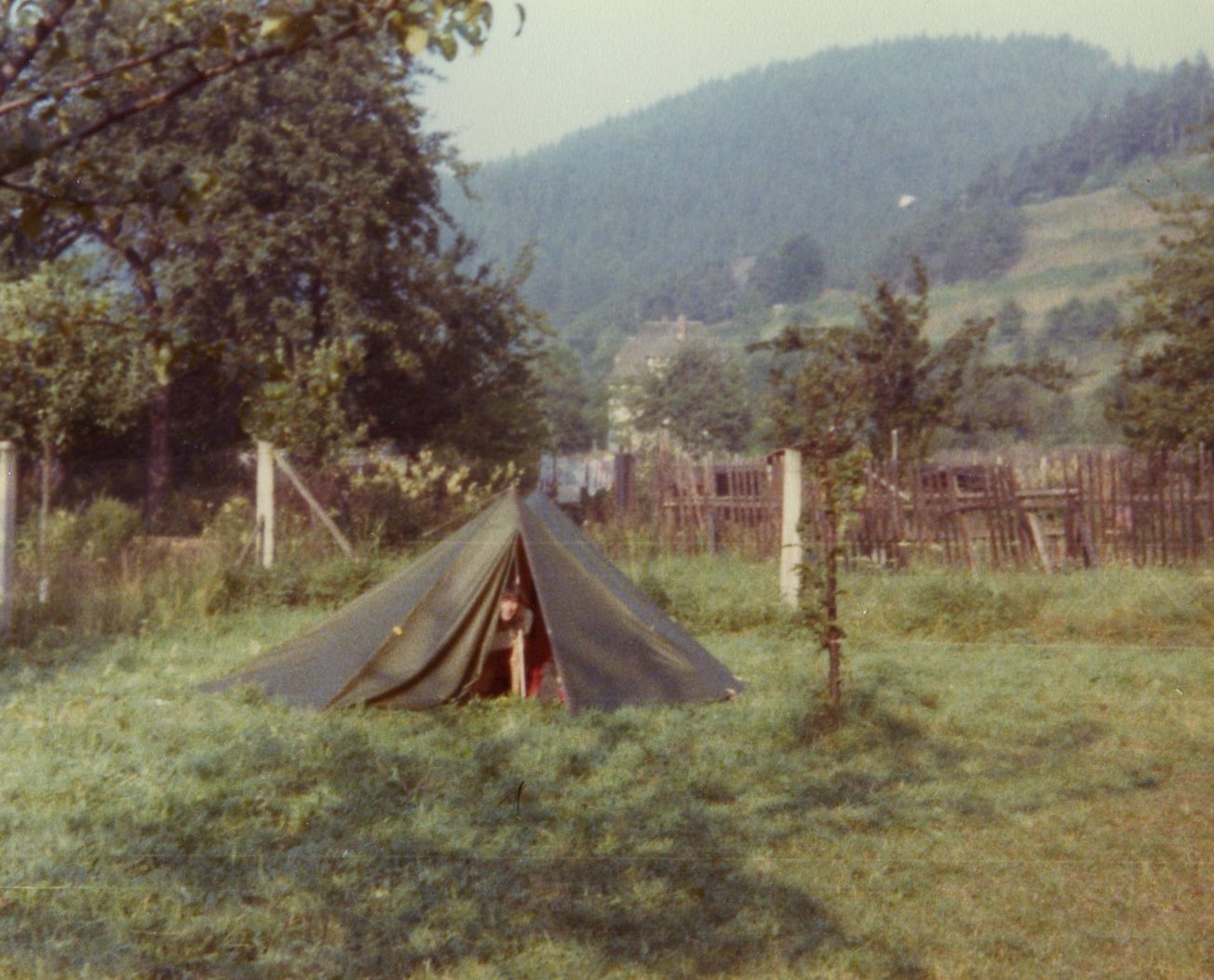
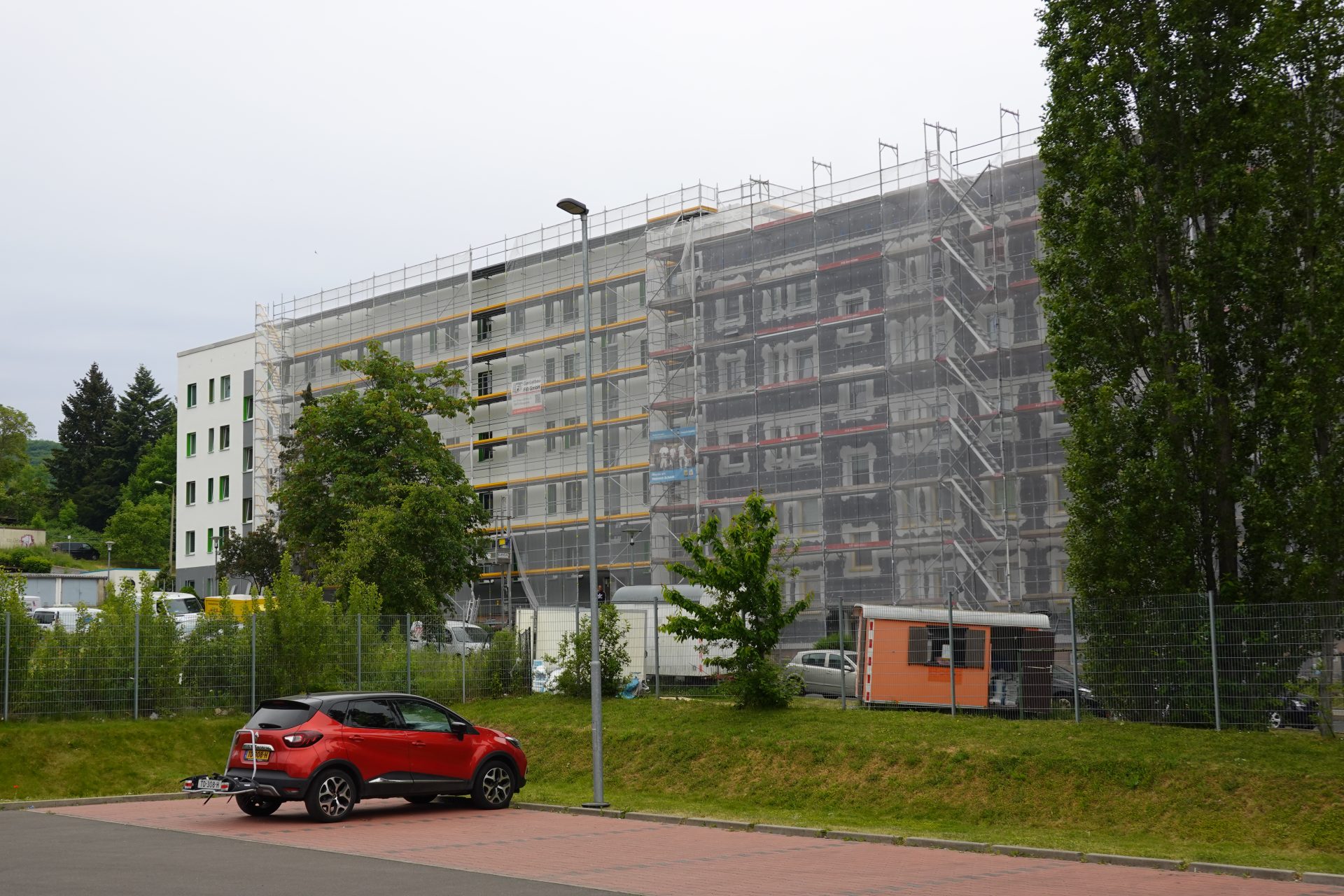
Where we last stayed 45 years ago – somewhat changed today…

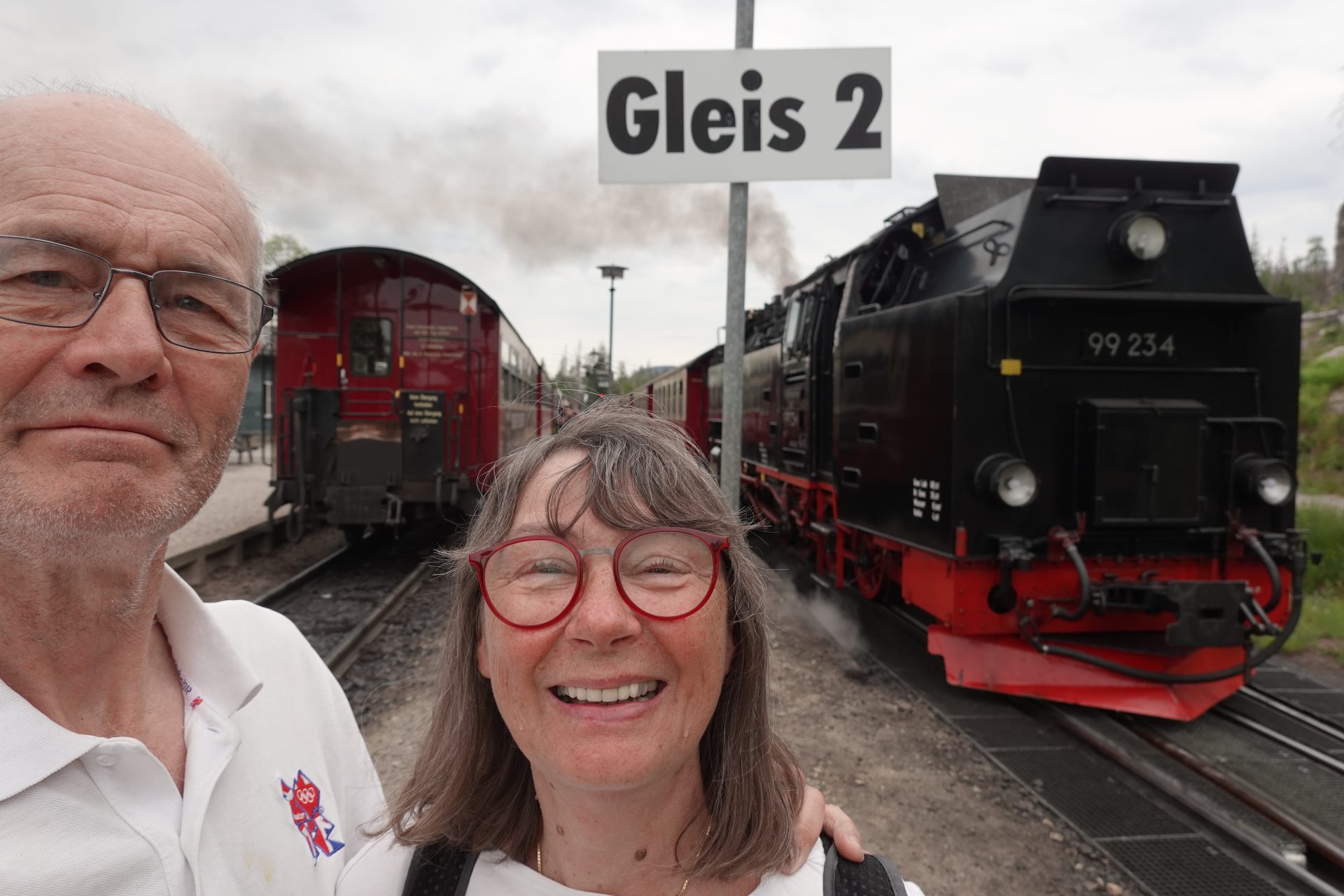
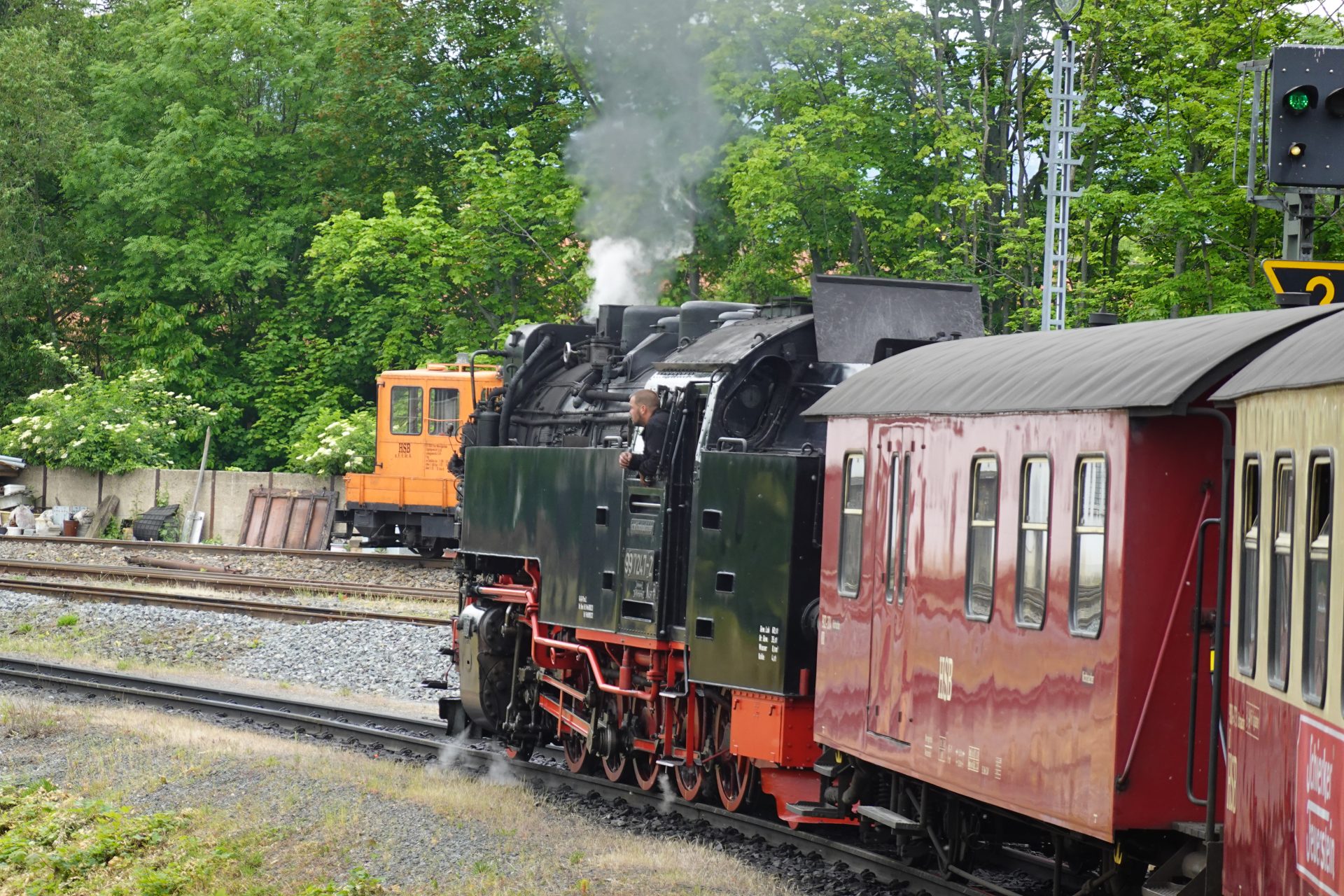
We paused in Wernigerode yesterday after just 40km from Quedlinburg, to take the small-guage steam railway to the top of the Brocken, one of North Germany’s highest points, legendary seat of a great witches’ coven, and a key point of the cold war with Soviet and East German spies embebbed on its summit to listen in to NATO communications.
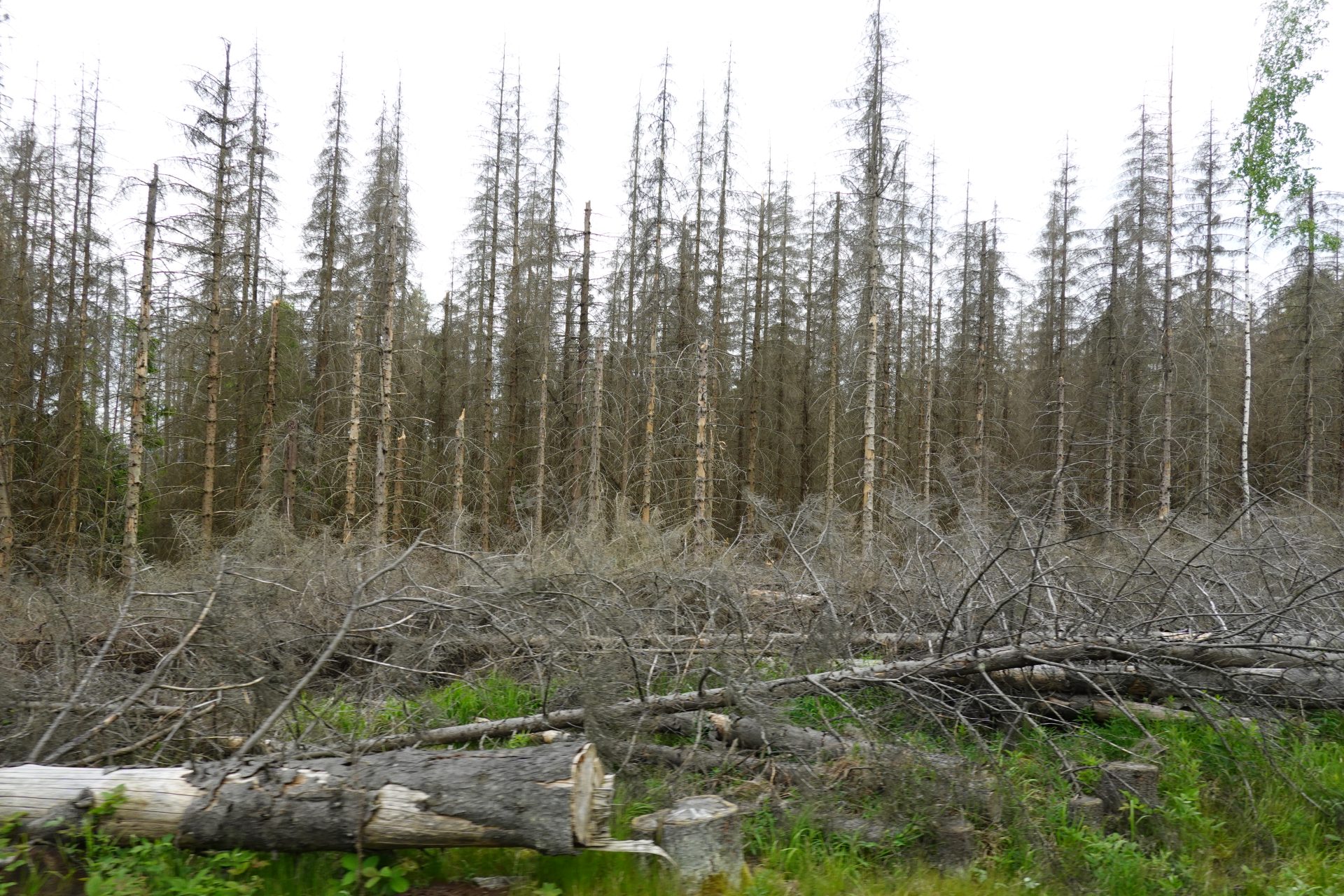
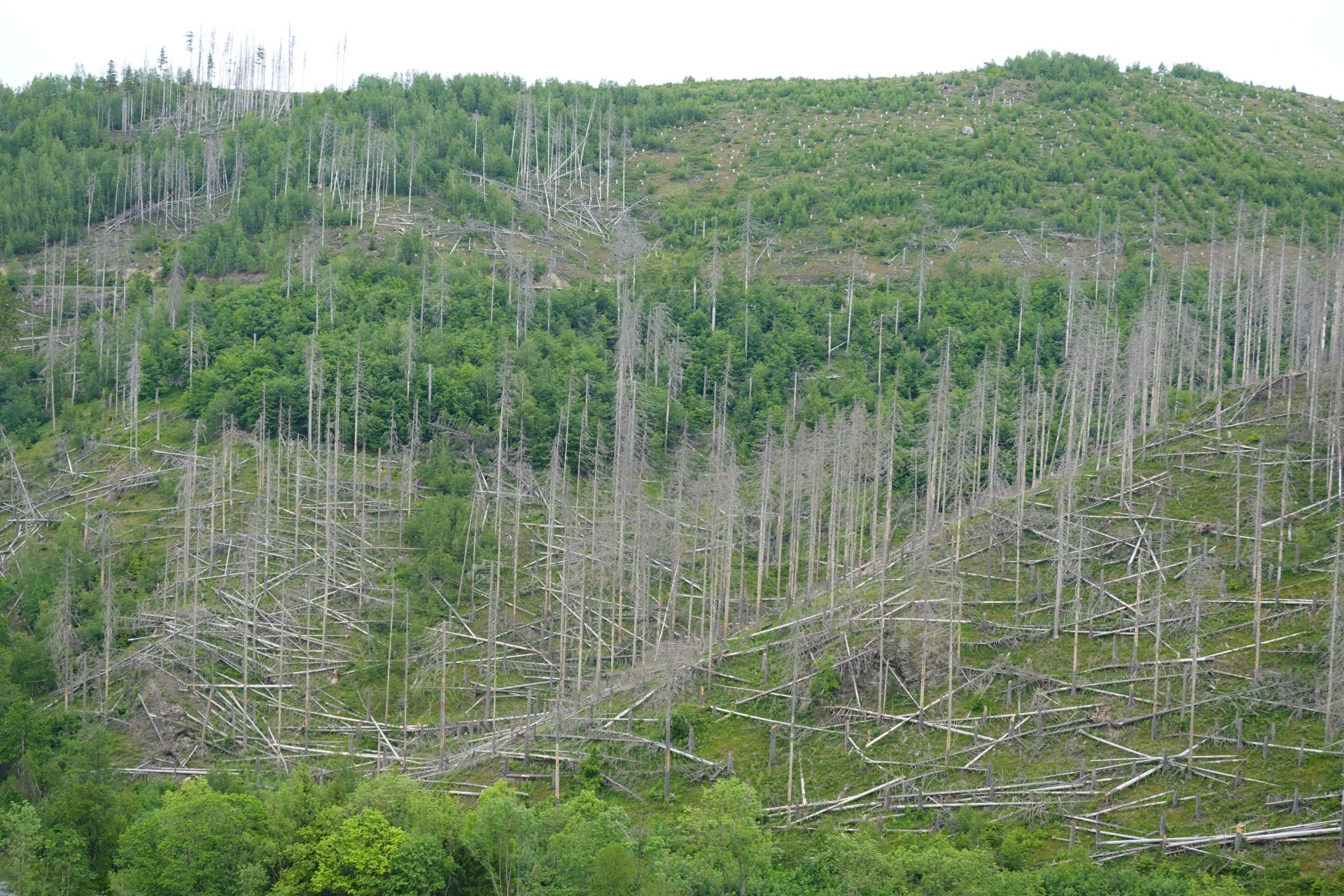
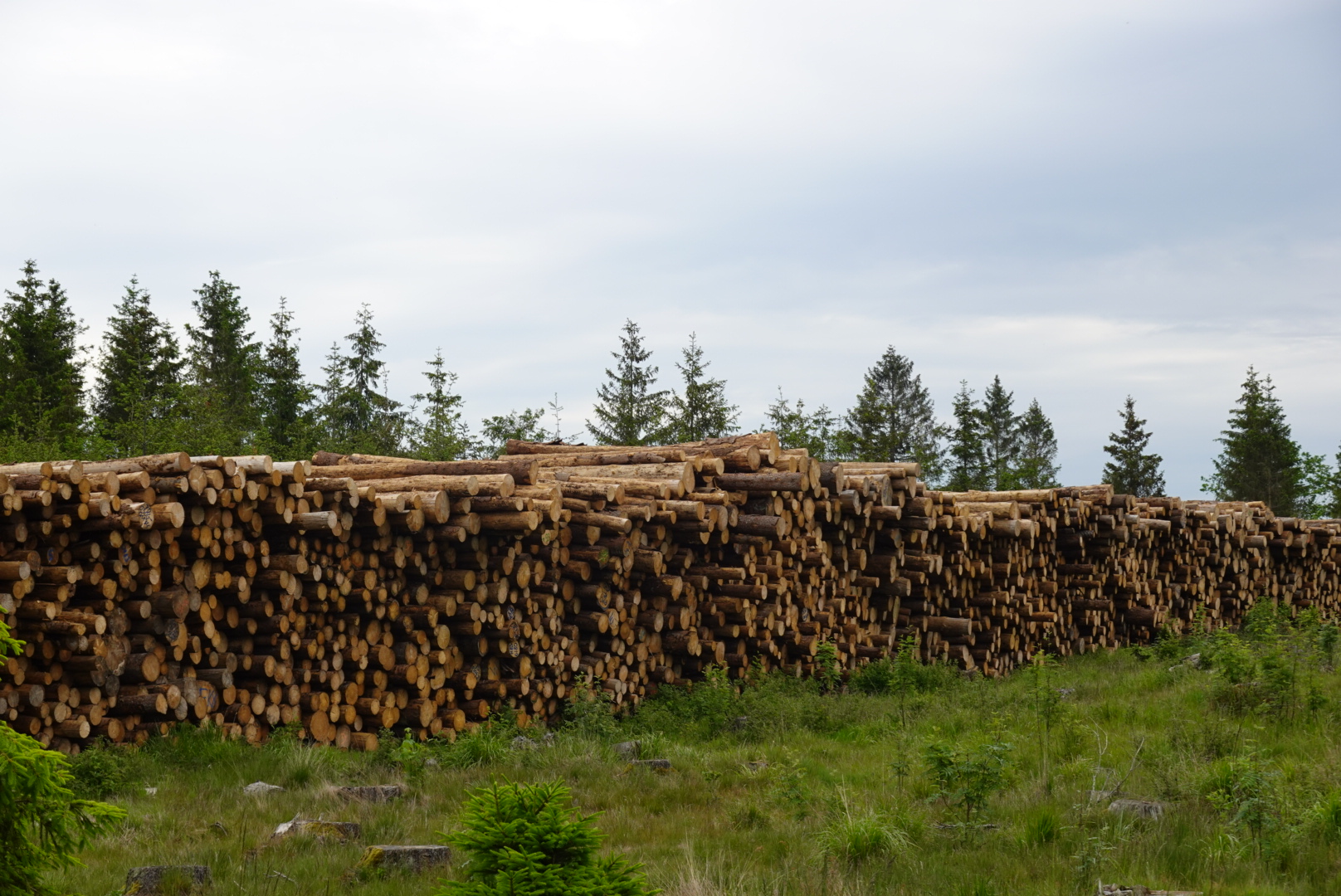
Out of bounds in our old GDR days. and sadly yesterday also inaccessible because of forest fires – reflecting the catastrophic and profoundly shocking environmental collapse of the Harz spruce forests over the past five years or so, with 80% (EIGHTY PERCENT!!!) of the previous tree cover killed off by climate change – heat, drought and the bark beetle.
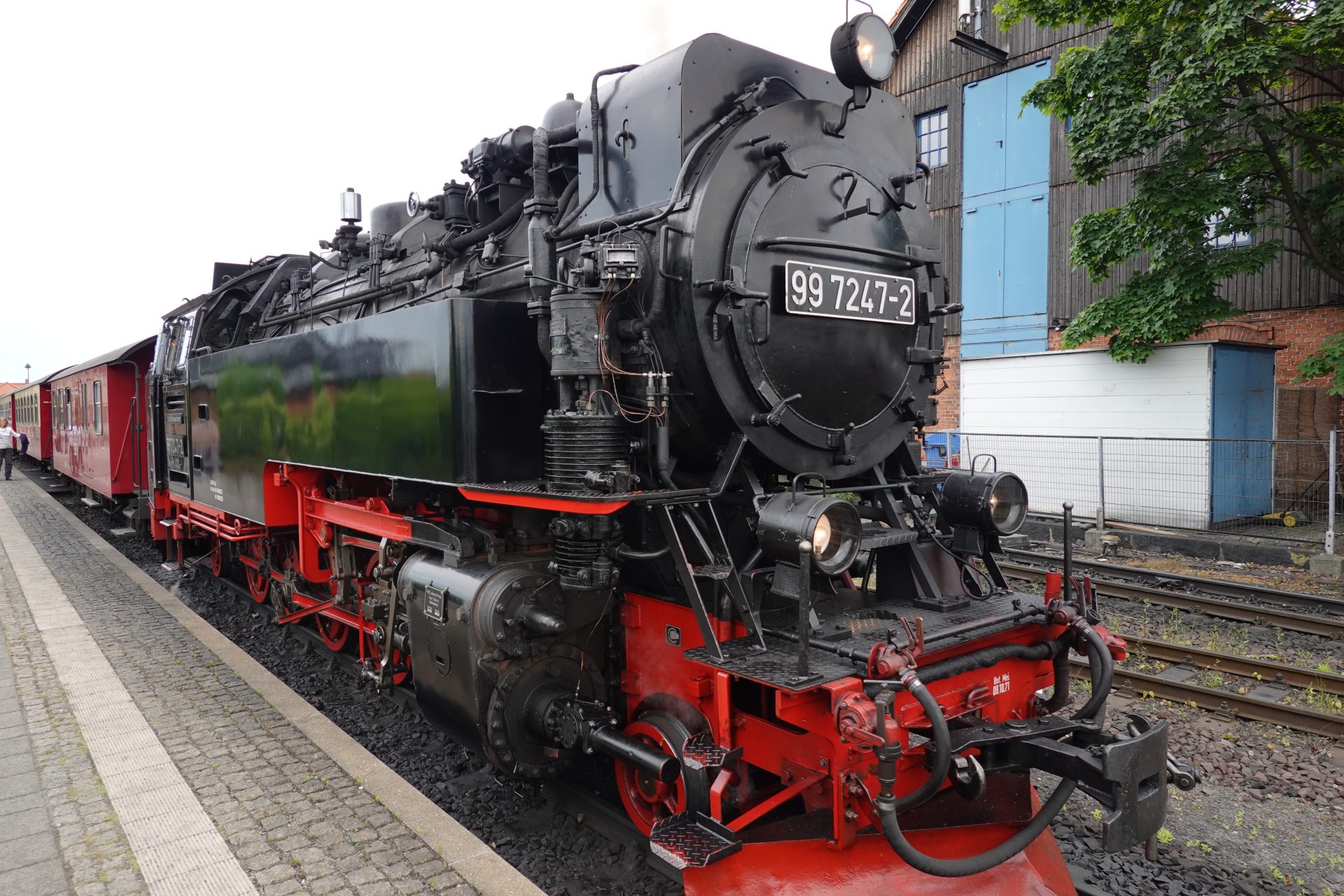
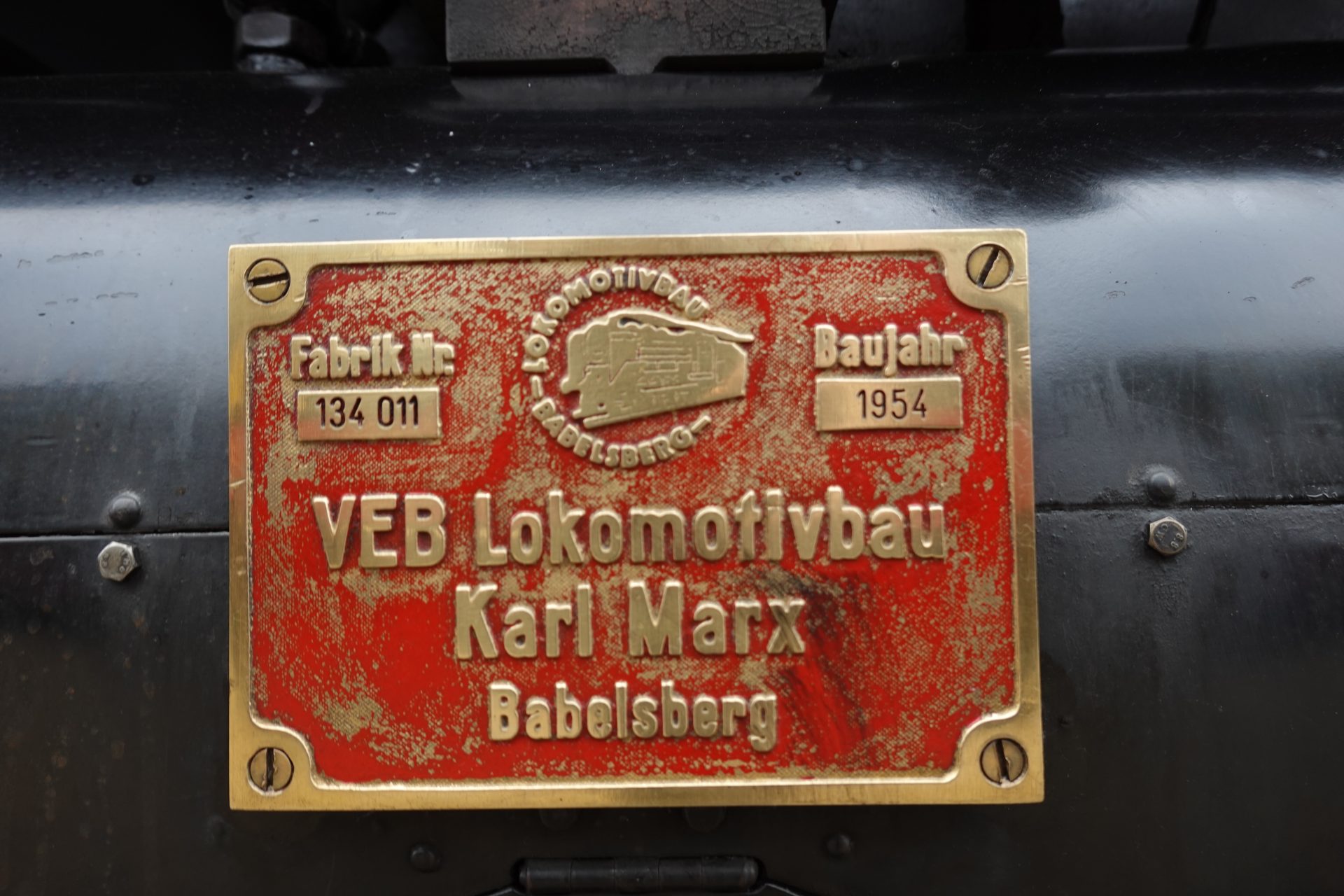
The railway’s steam engines continued to be built in GDR times, now by the People’s Own Enterprise (VEB, or Volkseigener Betrieb, though of course it was anything but owned by the people, just by the communist state) in Babelsberg west of then-enclosed West Berlin.
An analogy occured to me as we pedalled up and over the 400 metres/1300 feet ascent from Wernigerode to here.
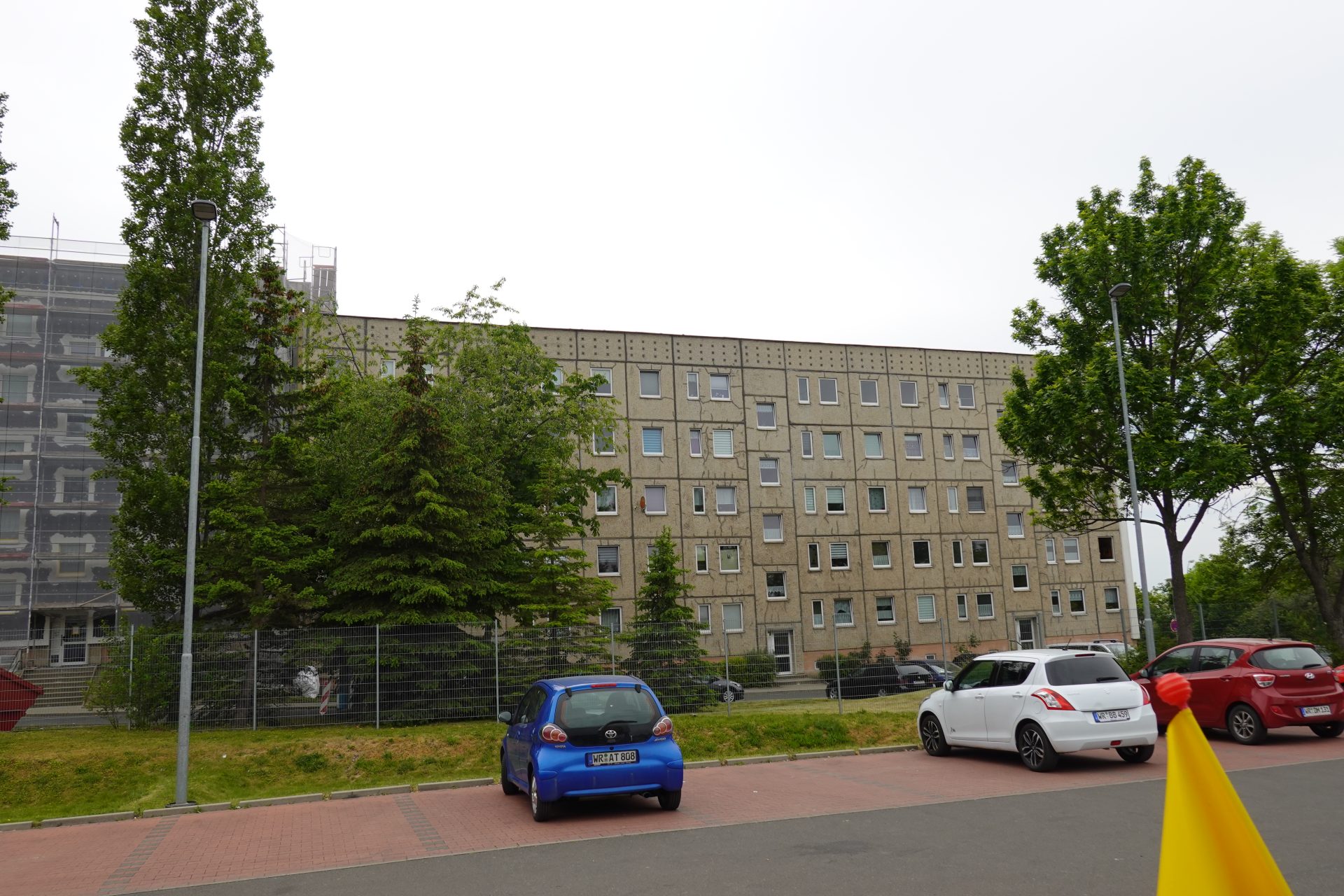
The GDR when West Germany in effect took it over in 1990 was like a terminally dilapidated old house, allowed to rot over decades by the previous owners.
The Federal Republic had to rip out and replace the entire infrastructure, all the plumbing and electrics (power), the flooring (the roads and pavements), the heating system, rearrange the internal walls, repair relations with the neighbours, remortgage, the lot.
A root and branch rebuild, with skip-loads of rubbish, physical and virtual from four decades of irretrievably shoddy work and neglect, taken away for burial in history’s landfill.
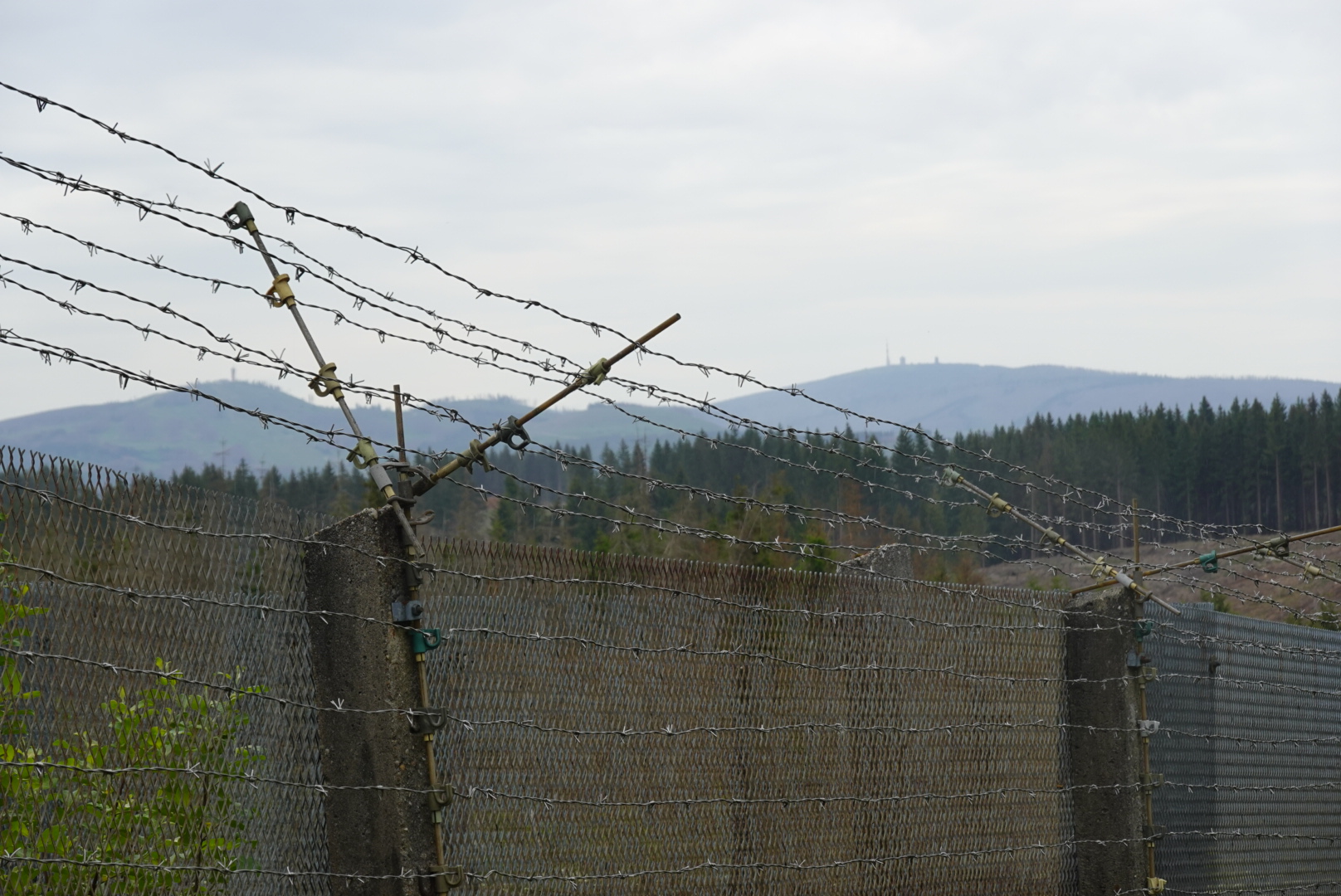
But what East Germany did invest in, of course, was its border fortifications, allegedly to keep the fascist, imperialist West Germans and NATO out, but of course actually to keep their own citizens in.
The hamlet of Sorge has a small new museum dedicated to the old inner-German border that ran through the Harz just uphill, and the walk up along the old fencing to a watchtower now renovated was worth the quite long pause from cycling.
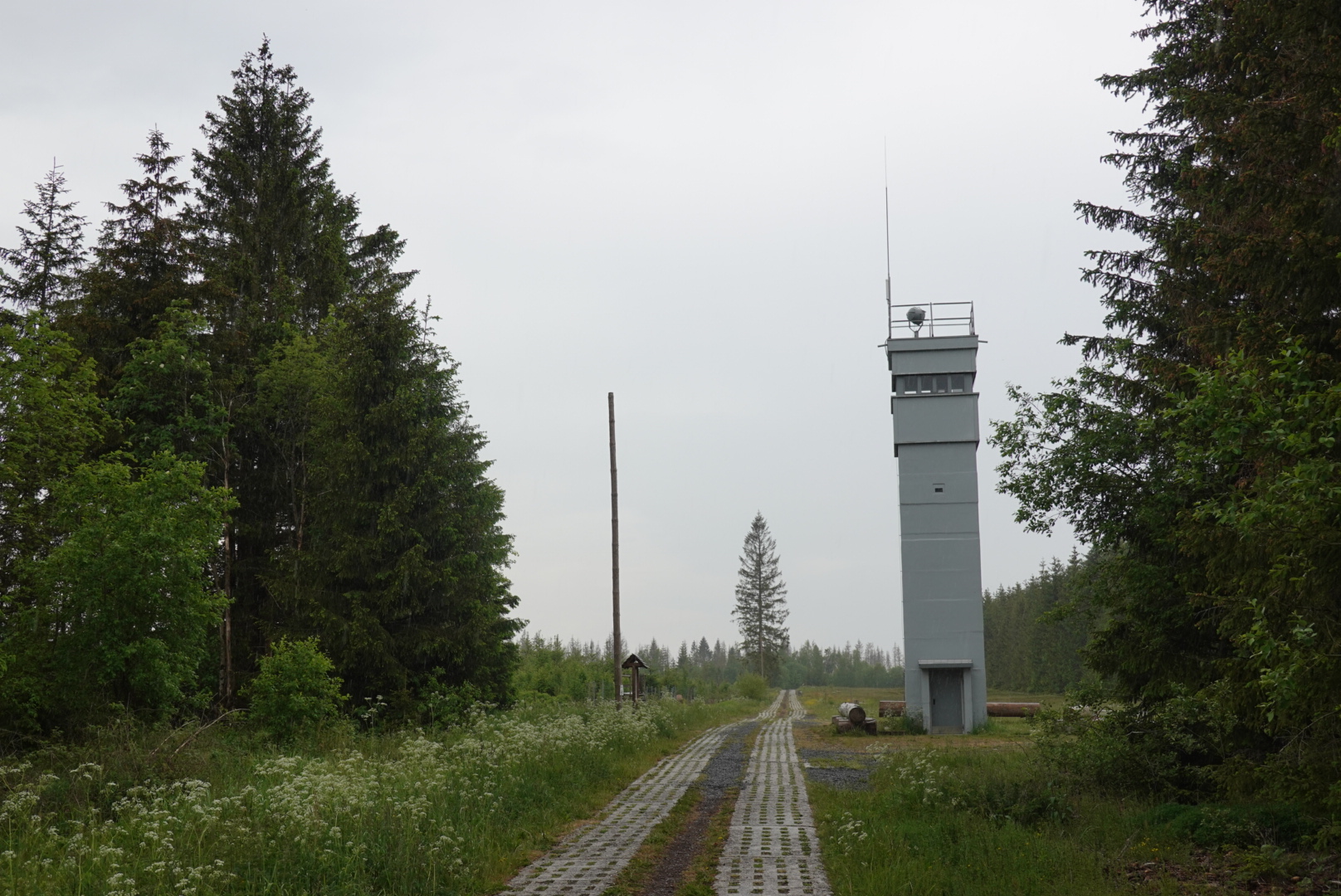
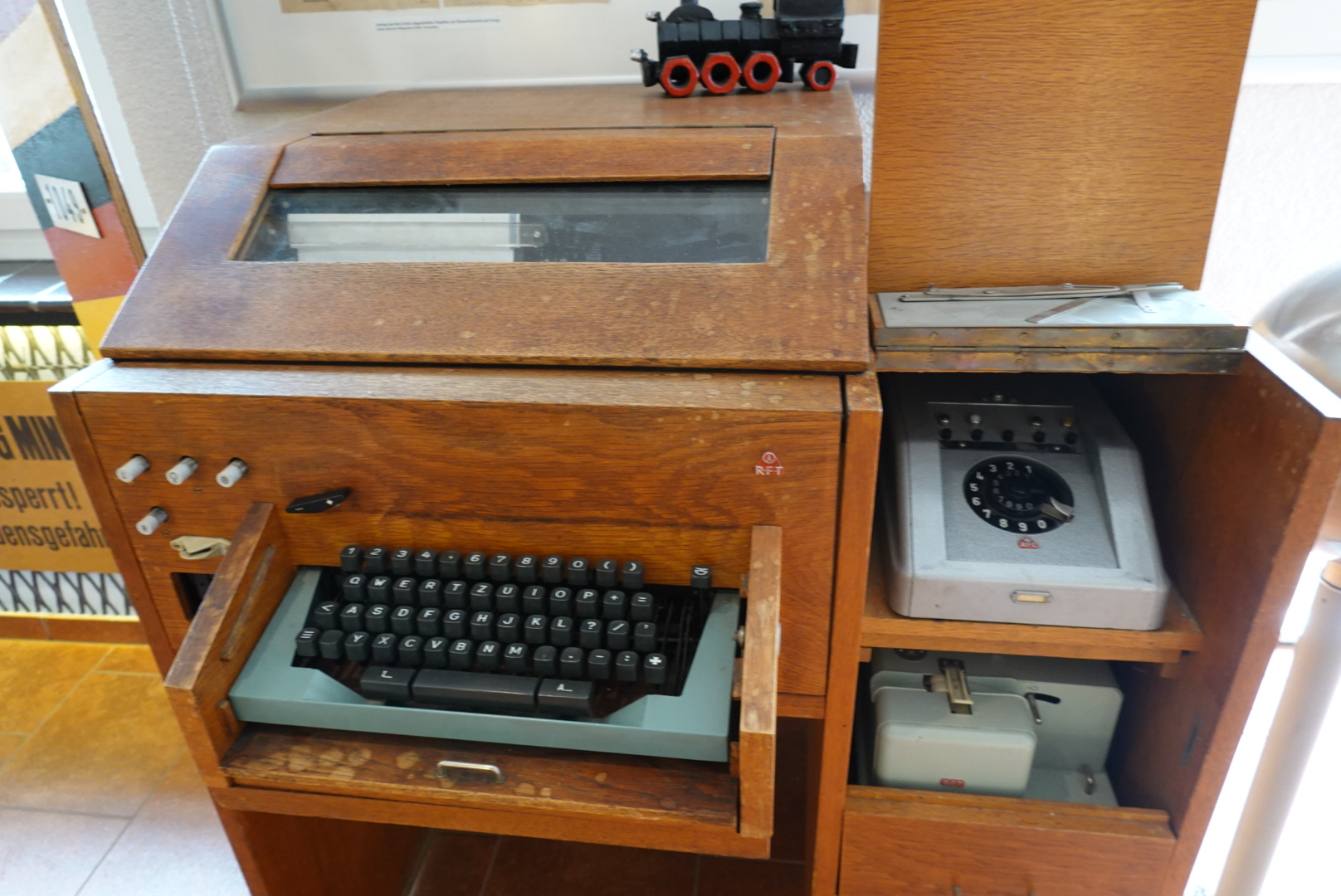
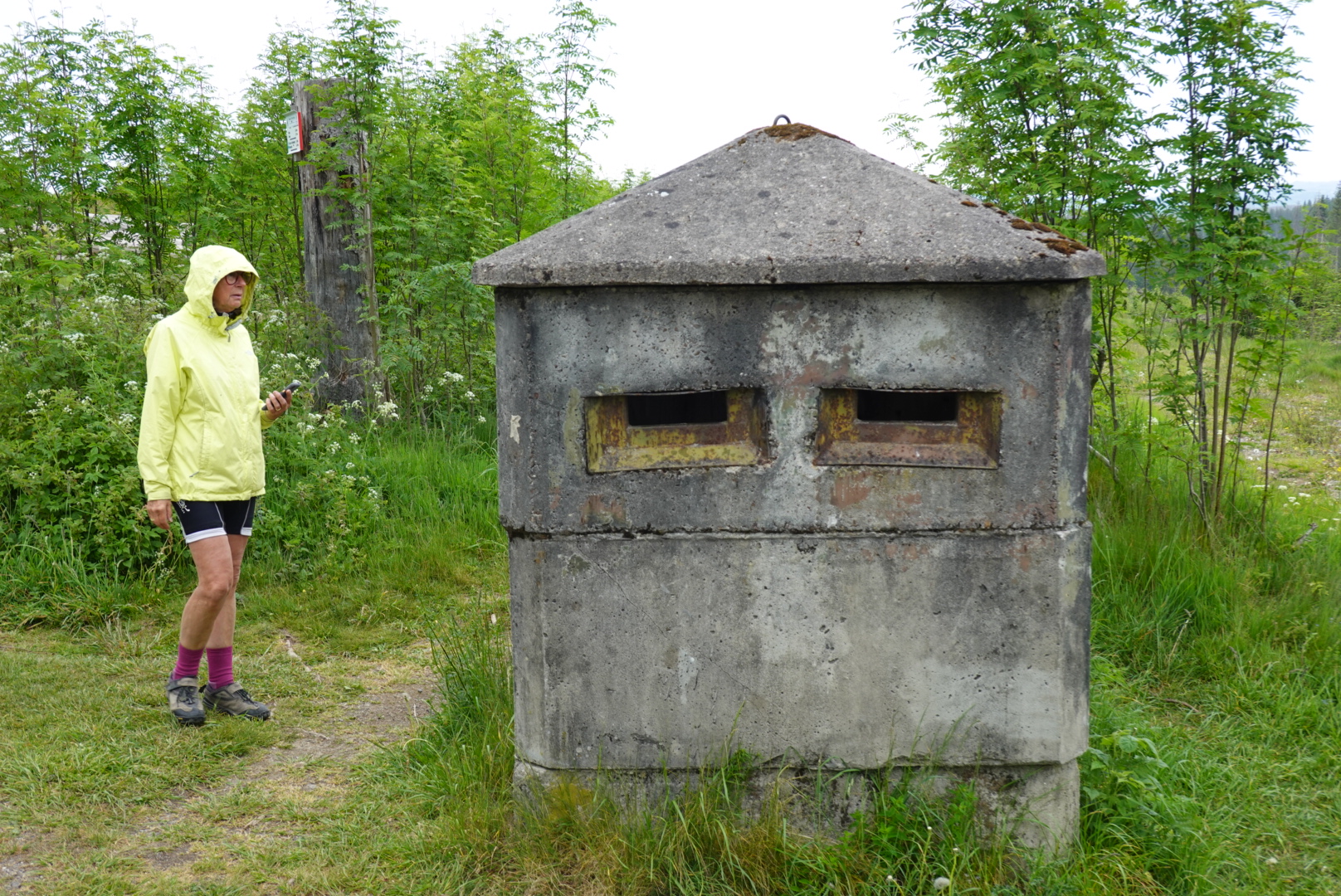
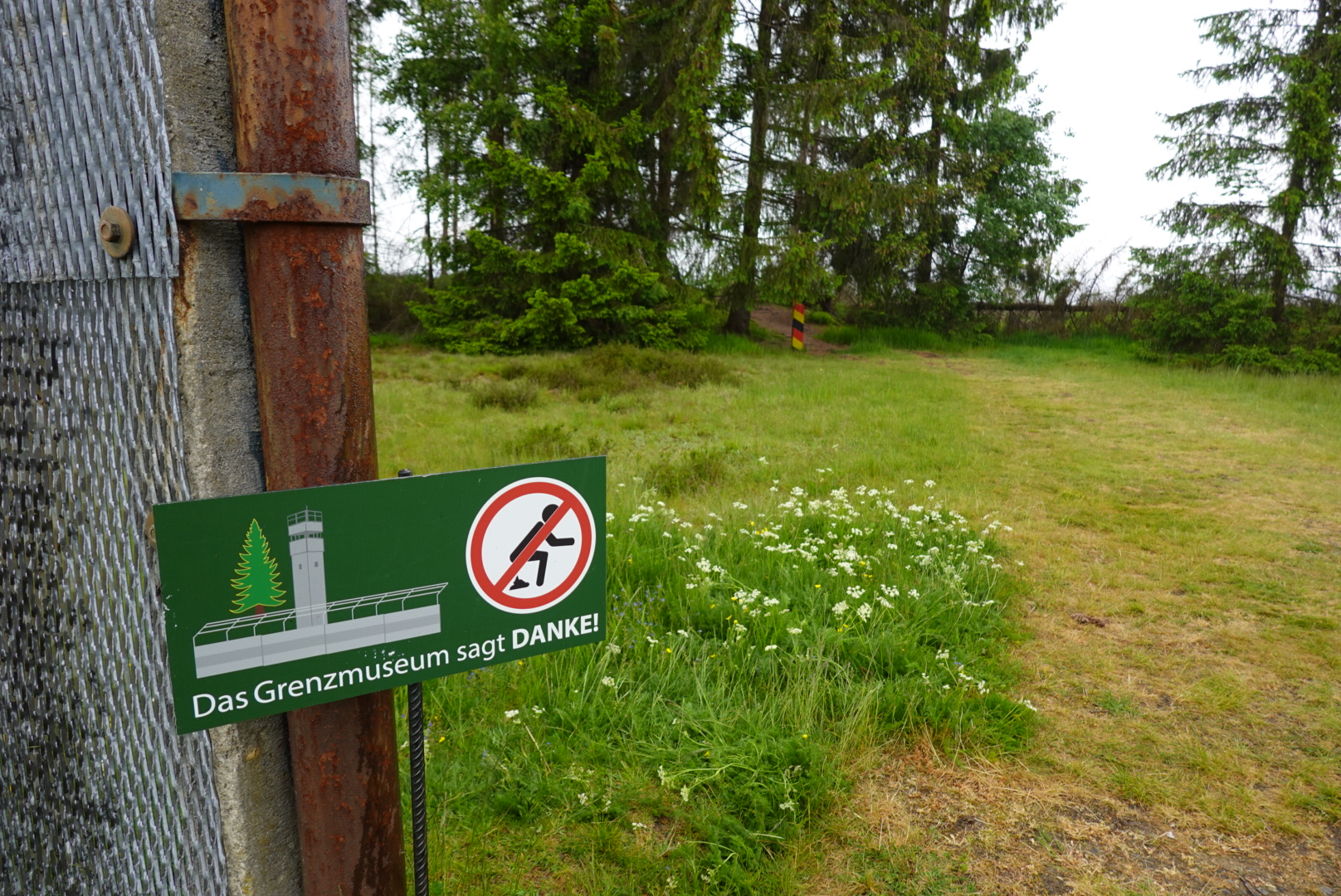
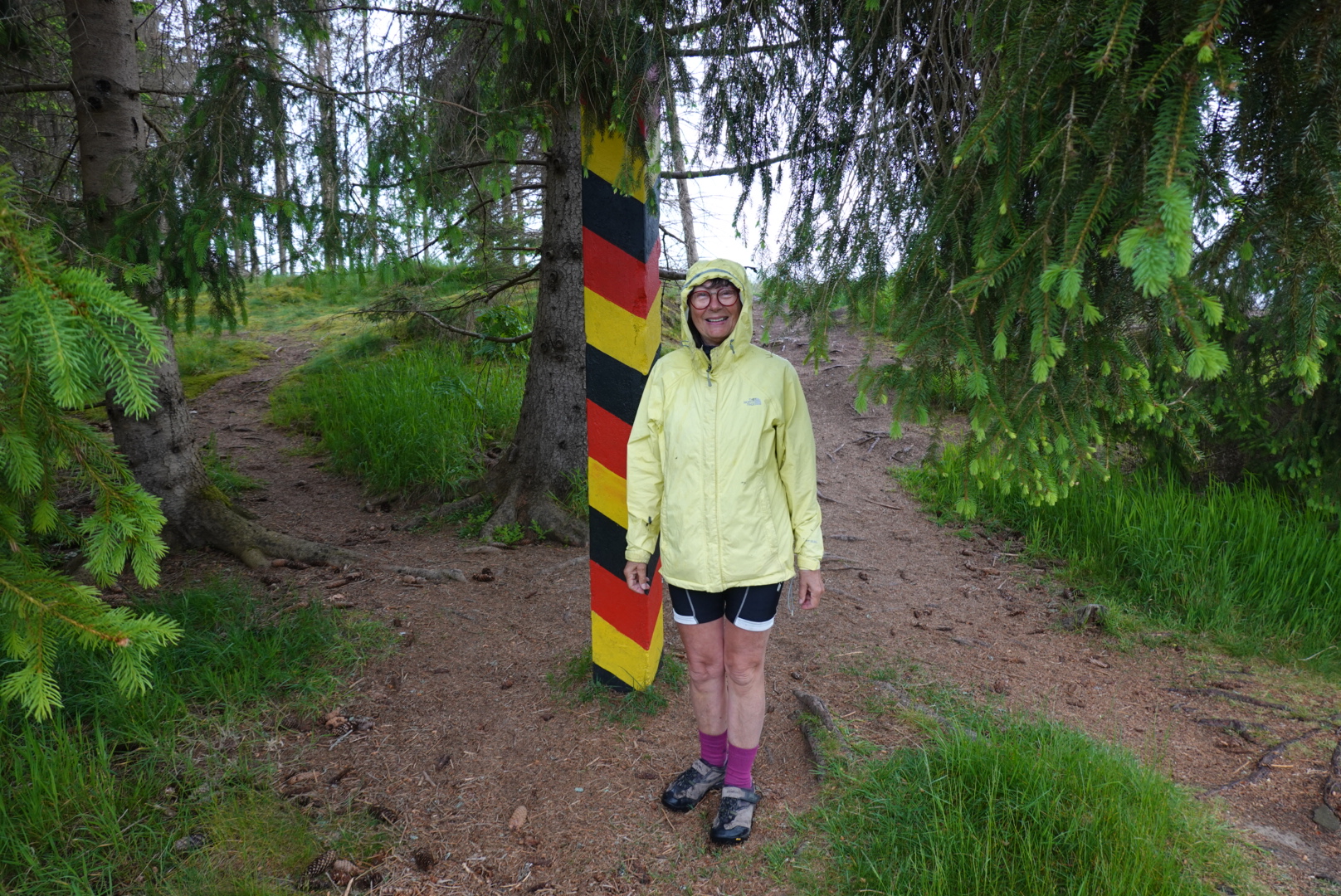
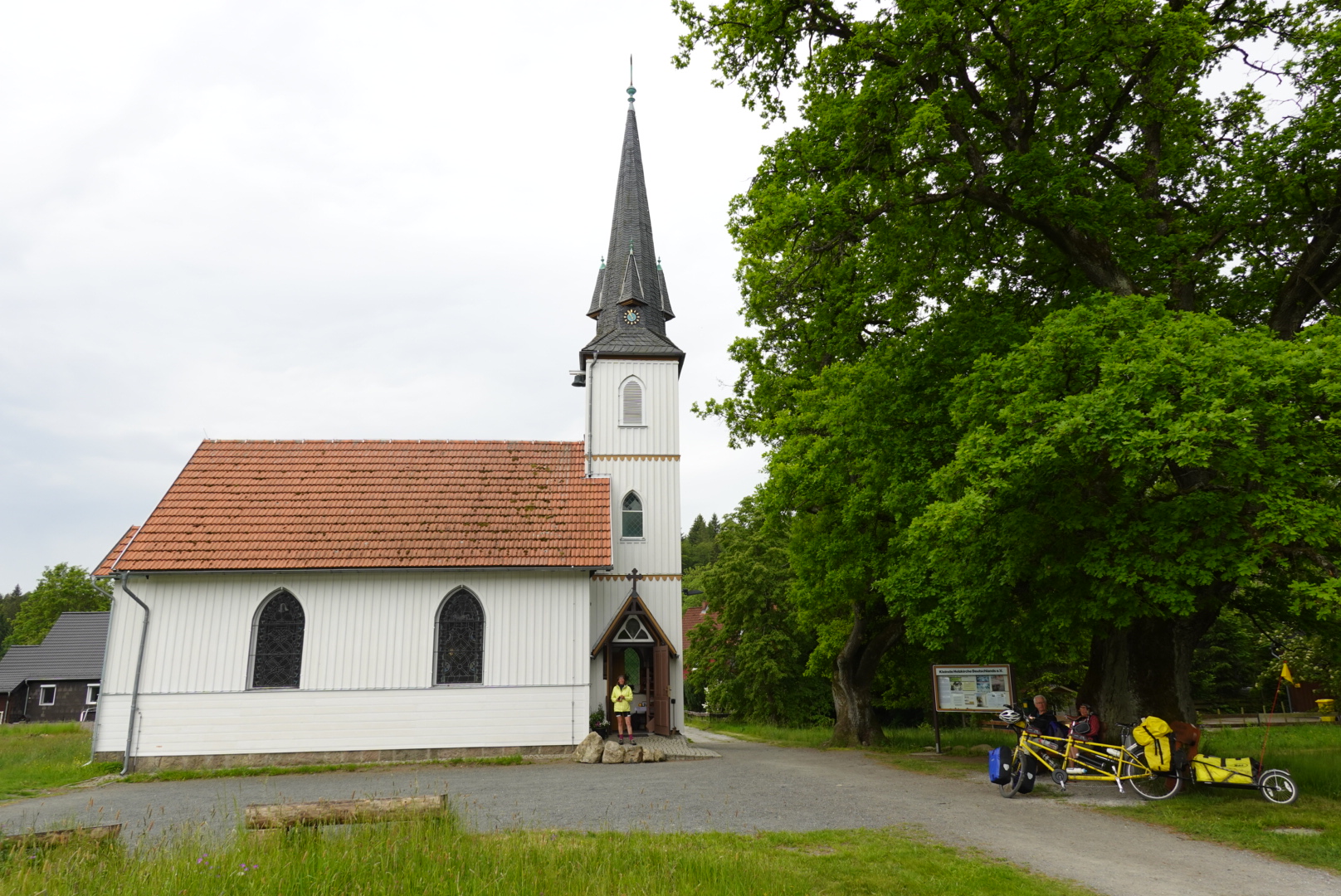
(The names did make us smile. Sorge is German for Worry, but actually here older German for a border place, and it’s just up the hill from Elend, with Germany’s smallest wooden church, and the name meaning in modern German Misery, though this name too is also apparently rooted in a much older word for a place on the edge.)
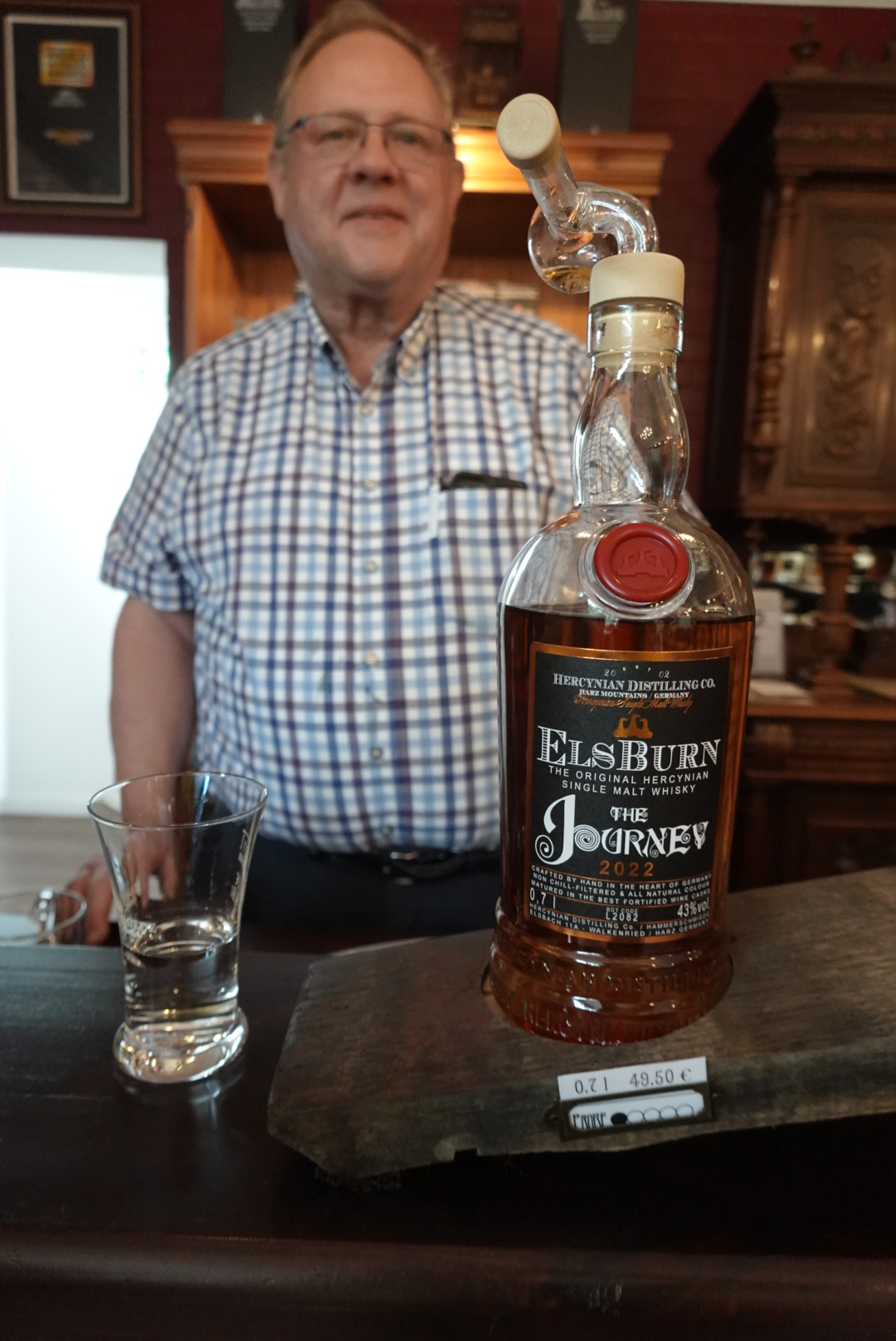
Finally, whisky.
Barrelling off the Harz at speeds up to 55kph (braking too hard could blow the tyres as Daisy’s wheel rims overheat from the friction), we did pull to a halt outside a surprise find in the form of a German-owned and inspired whisky distillery, making (as we quickly determined) a very tasty tipple indeed.
Alexander Buchholz is owner of the Hammerschmiede whisky makers and took delight in introducing us in particular to his vintage The Journey.
Which indeed continues, tomorrow to Gebesee, where Jutta’s father was at a kind of early Waldorf/Steiner-style boarding school (a very rare beast in Germany, where folk largely just go to their local and usually rather good state school) in the 1920s.
Hopefully by then back out in the dry after the rain has stopped.
Discover more from The CycloTherapists
Subscribe to get the latest posts sent to your email.